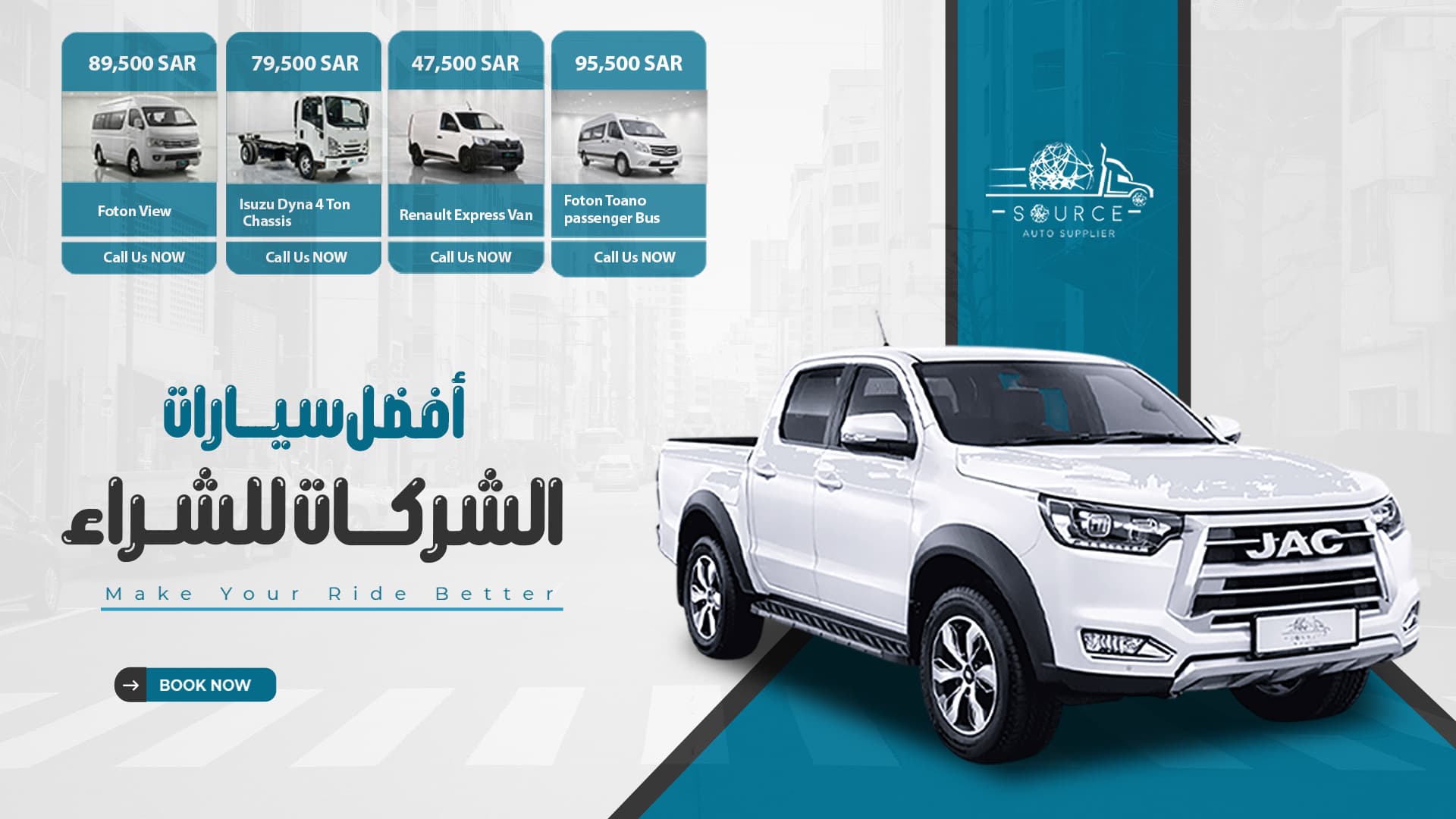
Do you feel like your company’s budget is evaporating due to constant maintenance costs and rising fuel prices? Or perhaps your current fleet no longer reflects the professional image you aim to present to your clients? Owning inefficient vehicles is a silent financial drain that threatens your annual profitability and adds pressure to logistics operations. That’s why searching for the best company cars to buy in 2026 is no longer just a routine purchasing decision—it’s an investment in both a tangible and strategic asset that defines your company’s ability to compete and grow. In this strategic guide, we’ll reveal how to choose the ideal fleet that combines cost savings, luxury, and operational intelligence.
Best Company Cars to Buy in 2026
As we enter 2026, the market landscape has shifted dramatically due to rapid advancements in autonomous driving and hybrid powertrains. Leading the list are vehicles that have proven their ability to balance long lifespan with low operating costs. Notably, the Toyota Camry Hybrid 2026 remains a top choice for companies seeking absolute reliability, followed by the updated Tesla Model 3, now the gold standard for tech-driven businesses thanks to its low energy costs.
Identifying the best company cars requires forward-thinking insight. For instance, the Ford E-Transit dominates the light commercial transport sector with its smart shipment-tracking features, while the BMW 5 Series stands out as a preferred option for executives looking to combine elegance with sustainability.
What Is the Right Car for Your Company? Key Criteria to Consider
When planning begins, executives often ask: What is the right car for the company? To answer effectively, three critical factors must be evaluated:
Total Cost of Ownership (TCO): Includes purchase price, fuel consumption, and resale value after three years.
Operational Purpose: A sales representative covering long distances has different needs than a local delivery driver.
Environmental Impact: ESG reporting has become essential for company reputation among investors.
Balancing these factors ensures a sustainable and efficient fleet.
Best Commercial Vehicles for Performance and Cost Efficiency
Answering the question “What are the best commercial vehicles?” leads us to a range of highly efficient options that balance performance, reliability, and operating costs:
Nissan Navara: A durable pickup ideal for SMEs, with strong performance and fuel efficiency.
Toyota HiAce: A versatile van with large cargo capacity and high reliability.
Ford Transit: Spacious design with excellent fuel efficiency—perfect for distribution businesses.
Peugeot Expert: A commercial van with advanced safety features and optimized maintenance costs.
Isuzu D-Max: A globally trusted pickup built for heavy-duty tasks and rough terrains.
These are widely available through fleet sales platforms and commercial vehicle providers, depending on your company’s size and needs.
Best Car for Business Executives: Luxury or Practicality?
Senior leadership requires vehicles that reflect the company’s stature. So, what is the best car for business executives?
The Mercedes-Benz E-Class leads as an icon of advanced technology and timeless design, while the Audi A6 offers a perfect balance for those seeking sporty performance with all-wheel drive. For frequent intercity travel, the Lucid Air stands out with its long range and futuristic design—blending innovation with practicality.
Economic vs. Luxury Company Cars: Which Is Better?
The choice depends entirely on your operational budget and branding goals.
Economy cars (like Hyundai Elantra) provide immediate cost savings.
Luxury cars (like Genesis G80) create a strong impression of financial stability.
Key differences in 2026:
Purchase Cost: Low to moderate vs. very high
Resale Value: Stable vs. faster depreciation
Insurance Costs: Affordable vs. expensive
Brand Perception: Practical vs. authoritative
A smart strategy is to segment your fleet based on function to maximize efficiency without overspending.
Best Company Cars for Tax Efficiency
Tax planning is now integral to fleet management. Many governments offer significant tax incentives for vehicles emitting less than 50g of CO₂/km.
Fully electric vehicles like Hyundai Ioniq 6 fall into the lowest tax brackets, while plug-in hybrids (PHEVs) such as Volvo S90 also offer strong tax advantages compared to traditional combustion engines.
Best Cars for Small and Medium Businesses
For startups and SMEs, financial flexibility is key. The focus should be on fuel efficiency and long warranties to:
Reduce daily operational costs
Maintain healthy cash flow
Avoid unexpected expenses
The Kia Niro stands out due to its hybrid and electric options and up to 7-year warranty.
Additionally, choosing certified pre-owned (CPO) vehicles can:
Save up to 30% on purchase costs
Provide reliable, high-quality cars
Balance price and performance effectively
Electric and Hybrid Company Cars: The Future?
Yes—without a doubt. The world is rapidly moving toward zero emissions. Companies that fail to adopt electric vehicles today will face rising fuel and environmental tax costs tomorrow.
Modern EVs can charge up to 80% in under 15 minutes, eliminating range anxiety. Moreover, electric engines require up to 40% less maintenance than internal combustion engines, significantly improving long-term profitability.
Common Mistakes to Avoid
Focusing only on purchase price and ignoring hidden costs
Overlooking annual depreciation rates
Neglecting driver comfort (leading to lower productivity)
Ignoring fleet management technologies that can reduce fuel costs by up to 20%
Smart Tips to Maximize ROI
Consider leasing instead of outright purchase to preserve cash flow
Prioritize vehicles with advanced safety features to reduce risks and insurance costs
Conduct extended test drives under real working conditions
Base decisions on data and analysis—not impressions
A company vehicle is not just transportation—it’s a productivity tool that directly impacts efficiency and profitability.
Conclusion
Choosing the best company cars in 2026 requires a blend of financial insight and technological awareness. By understanding your operational needs and selecting the right vehicles, you can build a powerful fleet that supports growth. Whether your focus is executive prestige, tax efficiency, or cost reduction, the key lies in strategic planning and staying ahead of industry trends.
Start Your Fleet Journey Today! ✨
Contact us now for a free consultation and the best fleet car quotes for your business